
Table of Contents
- Why Authentic Vintage Collectibles Hold Value
- Identifying Authentic Vintage Decor: What Sets Real Pieces Apart
- Vintage Collectibles Investment Trends 2026
- How to Spot Fake Vintage Items Before You Buy
- Collectible Condition Grading Guide
- Provenance, Documentation, and Market Demand
- Preservation, Insurance, and Long-Term Asset Management
- Frequently Asked Questions
Last Updated: September 3, 2026
Why Authentic Vintage Collectibles Hold Value
The market for authentic vintage collectibles has grown steadily, driven by nostalgia, scarcity, and genuine craftsmanship that modern mass production struggles to replicate. At Lost America Cool Classic Collectables, we understand that the value of authentic vintage collectibles extends far beyond sentiment, it's rooted in tangible factors: original materials, historical significance, condition, and provenance. When you invest in a genuine piece from the mid-20th century, you're acquiring something that has already survived decades of use and changing tastes, which filters out the weak and leaves only the durable.
What separates a piece worth keeping from one worth selling comes down to authenticity. Reproductions flood the market, but authentic vintage pieces tell stories through their wear patterns, manufacturing techniques, and material choices. A genuine 1950s neon sign, for example, uses different glass composition and wiring than modern replicas, details that collectors and dealers can verify. The investment potential of authentic vintage collectibles depends on these markers of genuineness.
Identifying Authentic Vintage Decor: What Sets Real Pieces Apart
Identifying authentic vintage decor requires understanding the specific manufacturing signatures of different eras and materials. Original finishes, construction methods, and material composition vary dramatically between genuine pieces and modern reproductions designed to look aged. A real 1960s metal advertising sign was stamped and painted differently than today's "vintage-style" replicas cast from moulds.
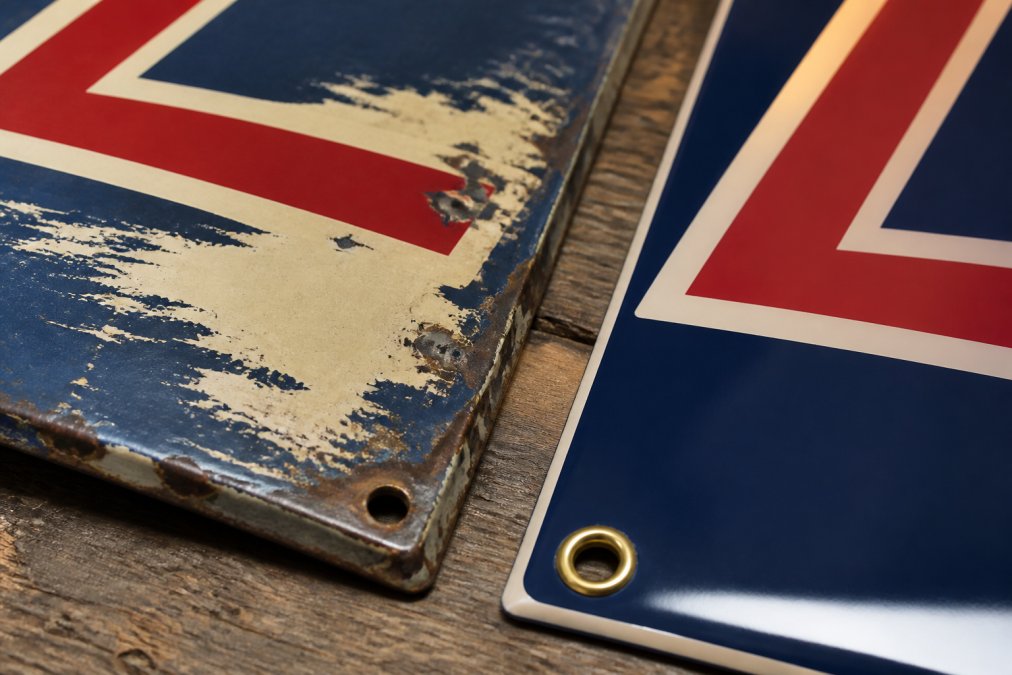
Start by examining the construction method. Authentic pieces from the mid-20th century often show seams, rivets, or welding patterns consistent with the technology available at that time. Hand-painted details on vintage Americana decor display irregular brush strokes and colour variations that machines struggle to replicate convincingly. Modern reproductions, by contrast, often feature too-perfect uniformity or inconsistent aging applied artificially across the surface.
Materials tell a story. Genuine vintage car models from the 1950s-1970s use die-cast metal bodies with hand-applied decals, while reproductions typically use plastic bodies with printed graphics. Neon signs from the classic era use specific glass tube diameters and transformer specifications that differ from contemporary neon. Collectors and dealers know these material signatures because they've handled hundreds of pieces.
Documentation strengthens authenticity claims. Original packaging, manufacturer labels, or serial numbers increase confidence significantly. Even without formal paperwork, consistent wear patterns, fading in areas exposed to light, dust accumulation in crevices, patina on metal, indicate genuine age. Reproductions often show uniform aging or signs of artificial distressing that don't match authentic wear patterns.
Vintage Collectibles Investment Trends 2026
The market for vintage collectibles investment in 2026 reflects shifting consumer priorities toward tangible assets and nostalgic aesthetics. Mid-century modern furniture, classic Americana decor, and vintage automotive memorabilia remain strong performers, driven by collectors seeking both emotional connection and asset diversification. Investment-grade pieces, those with documented provenance, exceptional condition, and established collector demand, command premium prices and appreciate steadily.
Collectibility depends on several factors that influence secondary market demand. Rarity matters: items produced in limited quantities or from defunct manufacturers hold value better than mass-produced goods. Historical significance adds weight, pieces connected to cultural moments, iconic brands, or design movements attract serious collectors willing to pay premiums. A genuine 1950s diner sign from a famous establishment carries more investment potential than an unmarked generic piece from the same era.
Market demand for vintage Americana has expanded beyond traditional collectors to include interior designers, hospitality businesses, and homeowners building themed spaces. This broader audience creates liquidity, you can actually sell investment-grade pieces when you choose to. Niche categories like vintage automotive models, retro signage, and mid-century furniture have developed active secondary markets where prices are transparent and sales occur regularly.
The role of provenance and documentation cannot be overstated in investment decisions. A piece with clear chain of ownership, original receipts, or published references in collector guides commands significantly higher prices than identical-looking items without documentation. Collectors understand that provenance reduces risk, it proves authenticity and establishes the item's history, which directly influences resale value.
How to Spot Fake Vintage Items Before You Buy
Spotting fake vintage items requires developing an eye for manufacturing inconsistencies and understanding how mass production has evolved. Modern reproduction techniques have become sophisticated, but they rarely fool experienced collectors who know what to examine.
Begin with weight and feel. Authentic vintage metal pieces have specific heft based on their material composition. A genuine cast-iron automotive model feels substantially heavier than a modern plastic replica, even if the external dimensions are identical. Hold the piece, real vintage items often feel different in hand because of material density and construction methods that differ from contemporary manufacturing.
Examine seams and joints closely. Vintage pieces often show visible seams, solder marks, or rivets where components were joined by hand or with older machinery. Modern reproductions sometimes hide seams too perfectly or use welding techniques that look too clean. Authentic aging shows naturally in these joints, solder oxidises, rivets develop patina, paint cracks along seams in consistent patterns.
Look for tool marks and manufacturing signatures. Items from the 1940s-1960s often bear the marks of the tools used to shape them, slight irregularities in stamping, hand-filing marks on edges, or variations in thickness. Reproductions cast from moulds show too-uniform surfaces. Hand-painted details on vintage signage display brushwork variations and paint drips that modern printing cannot replicate convincingly.
Check materials against the claimed era. Plastic wasn't common in consumer goods before the 1950s, if a piece claiming to be 1930s uses plastic components, it's either a later reproduction or a later replacement. Specific paint formulations, glass compositions, and metal alloys changed over decades. Experts can identify anachronistic materials that place a piece outside its claimed timeframe.
Collectible Condition Grading Guide
Condition grading provides a standardised language for describing vintage items and setting realistic expectations about wear. Understanding condition grades helps you evaluate whether a piece represents fair value and whether restoration is worthwhile.
Mint/Like New: The piece shows no visible wear, original finish intact, all components present and functional. Rare for genuinely old items, most pieces in this grade spent decades in storage. Prices reflect this rarity significantly.
Excellent: Minor wear visible only under close inspection. Original finish largely intact with only slight fading or patina. All components present and functional. This is the top realistic grade for vintage collectibles that were actually used.
Very Good: Obvious wear consistent with age and use. Original finish shows fading, minor scratches, or patina. All components present and functional. The most common grade for vintage pieces in active collections.
Good: Moderate wear from regular use. Original finish significantly faded or worn. Minor components may show damage or replacement. Structural integrity remains sound. Restoration might be considered.
Fair: Heavy wear, significant fading, possible component damage or replacement. Structural soundness may be questionable. Restoration would be substantial. Investment value is limited unless the piece is exceptionally rare.
Poor: Severe damage, missing components, questionable structural integrity. Primarily valuable for parts or restoration projects. Collector demand is minimal except for extremely rare items.
Condition directly influences investment potential. A piece in Excellent condition commands 3-5 times the price of the same item in Good condition (americanantiquemall.com). Restoration can improve aesthetics but often reduces investment value because collectors prefer original finishes and patina. The cost of professional restoration frequently exceeds the value increase it generates.
Provenance, Documentation, and Market Demand
Provenance, the documented history of ownership and origin, is the single most powerful factor determining whether a vintage collectible holds investment value or becomes an expensive decoration. A piece with clear provenance commands premium prices because buyers know exactly what they're acquiring.
Documentation strengthens provenance significantly. Original receipts, manufacturer labels, serial numbers, or published references in collector guides establish authenticity and ownership history. Photographs showing the piece in previous collections, magazine features, or exhibition records add credibility. Even informal documentation, a family member's written account of where and when the piece was acquired, helps establish provenance.
Market demand for documented pieces is substantially higher than for undocumented items. When you decide to sell an investment-grade collectible, buyers want confidence that what they're purchasing is genuine and carries the history you claim. Provenance reduces their risk and justifies premium pricing. Pieces without documentation face significant discounts because potential buyers must assume higher risk.
The secondary market for vintage collectibles functions through specialist dealers, auction houses, and collector networks. Prices are most transparent for items with established collector demand, mid-century furniture, classic automotive memorabilia, and iconic Americana signage. Obscure or niche categories may be difficult to price accurately because comparable sales data is limited.
Building a collection with investment potential requires focusing on categories with active secondary markets and established collector communities. Mid-century modern design, vintage automotive models, and classic advertising signage have proven liquidity. Niche categories with smaller collector bases may appreciate in value but are harder to sell when you're ready to exit.
Preservation, Insurance, and Long-Term Asset Management
Preserving authentic vintage collectibles requires understanding the specific environmental conditions and handling practices that protect their value. Temperature fluctuations, humidity, light exposure, and physical handling all influence how pieces age and whether their value appreciates or deteriorates.
Climate control is essential for long-term preservation. Vintage materials, metal, paint, leather, glass, respond to temperature and humidity changes. Metal oxidises in humid environments, paint cracks in dry conditions, and leather deteriorates without proper moisture balance. Stable conditions between 18-21°C and 45-55% relative humidity protect most vintage items (si.edu). Fluctuating conditions damage materials faster than steady, slightly suboptimal conditions.
Light exposure fades original finishes and degrades materials over time. Ultraviolet light is particularly damaging (loc.gov). Store or display vintage collectibles away from direct sunlight, and if displaying them, use UV-filtering glass or acrylic. Neon signs, painted signage, and automotive models all fade when exposed to constant light.
Handling practices matter significantly. Wear cotton gloves when handling valuable pieces to prevent skin oils from damaging finishes. Support items properly to avoid stress on joints or weak points. Avoid cleaning vintage pieces with modern harsh chemicals, many original finishes are fragile and can be damaged by aggressive cleaning. When cleaning is necessary, research period-appropriate methods or consult specialists.
Insurance for high-value collections requires specialist coverage. Standard homeowner's insurance typically provides limited protection for collectibles and may not cover appreciation in value. Specialist collectors' insurance covers agreed values, replacement cost, and often includes coverage for items in transit. Document your collection with photographs, condition descriptions, and provenance information for insurance purposes.
Storage solutions should protect pieces while allowing access for enjoyment. Display cases with climate control and UV-filtering glass are ideal for valuable items. For items in storage, archival-quality boxes and wrapping materials prevent damage. Avoid plastic wrapping, which traps moisture, use acid-free paper and breathable materials instead.
Long-term asset management of vintage collectibles involves periodic condition assessment and strategic decisions about restoration. Professional appraisals every 3-5 years establish current market value for insurance and investment tracking purposes. Document any restoration work with photographs and written records, as this information affects future resale value.
The value of authentic vintage collectibles in 2026 reflects a market that rewards genuine pieces with clear provenance, excellent condition, and documented history. At Lost America Cool Classic Collectables, we help collectors navigate this landscape by offering curated selections where authenticity and quality are verified. Whether you're building an investment portfolio or personalising your space with pieces that carry genuine historical weight, the foundation remains the same: authenticity matters, provenance builds value, and condition preservation protects your investment. Start by learning the manufacturing signatures of your chosen era, prioritise documented pieces, and store your collection in stable conditions. The pieces you acquire today become the rare finds that future collectors will seek.
| Condition Grade | Wear Characteristics | Typical Price Position | Investment Suitability |
|---|---|---|---|
| Mint/Like New | No visible wear, original finish intact | 100% baseline | Excellent if documented |
| Excellent | Minor wear, slight fading only | 80-95% of mint | Very good for investment |
| Very Good | Obvious wear, significant patina | 50-75% of mint | Good for most collectors |
| Good | Moderate wear, fading evident | 25-50% of mint | Fair, restoration may be needed |
| Fair | Heavy wear, possible damage | 10-25% of mint | Limited investment value |
| Poor | Severe damage, missing parts | 5-10% of mint | Parts or restoration only |
Frequently Asked Questions
How can I tell if vintage collectibles are authentic and not reproductions?
Authentic vintage collectibles show signs of genuine age: patina, wear patterns consistent with period use, original materials (not modern substitutes), and maker's marks or hallmarks. Check joints, finishes, and construction methods against documented examples from the era. Request a certificate of authenticity and provenance documentation from reputable sellers. Examine manufacturing techniques, reproductions often use modern machinery or materials that weren't available when the original was made.
What vintage collectibles are increasing in value for 2026?
Mid-century modern furniture, original Americana signage, rare automotive memorabilia, and art deco pieces continue gaining value as demand outpaces scarcity. Collectors are particularly interested in items with strong historical context and documented provenance. Condition, rarity, and cultural significance drive market appreciation. Pieces tied to specific design movements or cultural moments, such as 1950s Americana or classic vehicle models, show stronger investment potential than generic vintage items.
What should I look for when grading the condition of collectibles?
Condition grading evaluates structural integrity, original finish, restoration work, and signs of use. Mint condition means unused with original packaging; excellent shows minimal wear; good has minor damage but remains fully functional; fair shows significant wear but is stable; poor requires restoration. Document all flaws, repairs, and modifications. Original finish dramatically increases value, refinished pieces lose 30-50% of potential worth. Professional appraisers use standardised grading scales; compare your piece against documented examples to assign an accurate grade.
Do I need insurance and special storage for high-value vintage collections?
High-value collections require specialist insurance that covers agreed value rather than standard home contents policies. Store pieces in climate-controlled environments (stable temperature and humidity prevent warping, fading, and material degradation). Use archival-quality materials for display and storage. Keep detailed records, photographs, and certificates of authenticity in a separate secure location. For significant investments, professional appraisals every 3-5 years document appreciation and protect insurance claims. Consider tax implications when building collections, as some jurisdictions classify valuable collectibles as tangible assets with specific reporting requirements.