
Table of Contents
- What Makes Vintage Style Decor Worth Buying
- Identifying Quality Vintage Furniture and Collectibles
- How to Style Antique and Vintage Decor Without Overwhelming Your Space
- Avoiding Clutter With Vintage Home Decor
- Where to Source Authentic Vintage Style Pieces
- Budget-Friendly Sourcing and Restoration Strategies
- Maintaining Your Vintage Collection for Long-Term Value
- Frequently Asked Questions
Last Updated: September 22, 2026
What Makes Vintage Style Decor Worth Buying
Choosing high quality vintage style decor transforms a space from ordinary to distinctive. But not all vintage pieces deserve shelf space. The difference between a treasured heirloom and a cluttered mistake comes down to three factors: authenticity, craftsmanship, and intentional curation.
Quality vintage pieces share three defining qualities: genuine craftsmanship from their era, provenance that proves legitimacy, and cohesive aesthetic fit rather than random acquisition.
This guide covers identifying, styling, and maintaining quality vintage pieces. Whether furnishing a home bar or building a memorabilia collection, quality vintage style decor tells a story and anchors rooms with character reproduction pieces cannot replicate.
Identifying Quality Vintage Furniture and Collectibles
Spotting Authentic Pieces vs. Reproductions
The first skill is distinguishing genuine vintage from reproduction. While reproductions offer affordable entry points, they lack the authenticity and lasting appeal of genuine pieces.
Authentic vintage items carry physical evidence of age: patina, the subtle weathering that occurs naturally over decades and cannot be artificially replicated convincingly. Examine unexposed surfaces, furniture undersides, clock backs, where authentic pieces display uneven wear matching actual use patterns, while reproductions show uniform aging.
Construction methods reveal authenticity: mid-century furniture used mortise and tenon joints and dovetail connections differing from modern fasteners.
Materials, Craftsmanship, and Provenance
Materials reveal era authenticity: solid brass, iron, and hardwoods dominated mid-century production versus modern reproductions using pot metal and particleboard. Genuine brass is non-magnetic; solid wood shows natural grain variation across unexposed surfaces, while veneered pieces display characteristic era patterns.
| Quality Indicator | Authentic Vintage | Typical Reproduction |
|---|---|---|
| Patina | Uneven, natural wear patterns | Uniform artificial aging |
| Construction | Hand-joined, era-specific joinery | Modern fasteners, uniform methods |
| Materials | Solid wood, genuine metals, natural fibres | Veneers, pot metal, synthetic materials |
| Finish | Hand-applied, varied surface texture | Uniform coating, factory consistency |
| Documentation | Original marks, receipts, provenance | Limited or absent history |
How to Style Antique and Vintage Decor Without Overwhelming Your Space
The 70/20/10 Design Rule for Vintage Interiors
The 70/20/10 rule prevents vintage collections from sliding into clutter. This design principle allocates space intentionally: 70% neutral foundation, 20% secondary colour or style, 10% accent pieces that make the space distinctive.
Balancing Scale, Proportion, and Focal Points
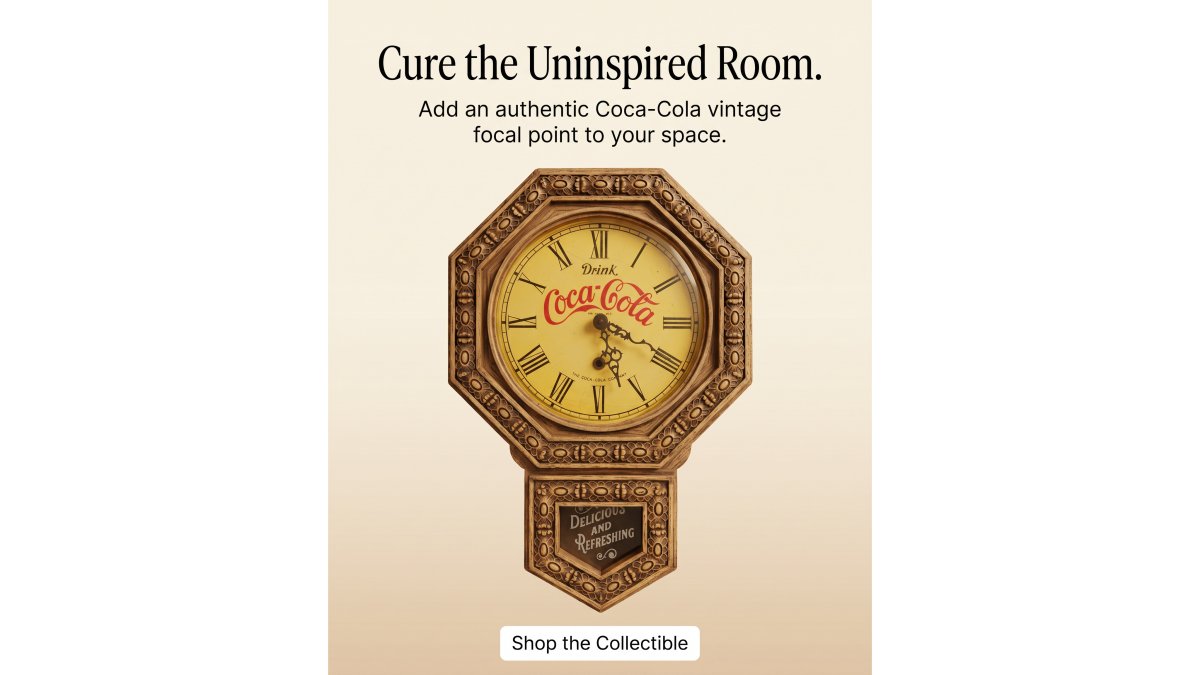
Proportion determines piece relationships to surroundings. A small clock on an expansive wall disappears; positioned above a console table it becomes a focal point. Large statement pieces anchor rooms; smaller items cluster for visual impact.

Avoiding Clutter With Vintage Home Decor
Curating a Cohesive Collection
Intentional curation separates a curated collection from accumulated clutter. Every piece should answer a simple question: does this fit the story I'm telling in this space?
Common Styling Mistakes to Avoid
The most frequent mistake is treating vintage style decor as random decoration rather than cohesive design. Successful styling treats each piece as part of a narrative.
Where to Source Authentic Vintage Style Pieces
Finding genuine vintage style decor requires knowing where to look, what to evaluate, and how to verify authenticity before committing funds. Different sourcing channels carry distinct advantages and risks, understanding these trade-offs prevents costly mistakes.
Estate Sales and Auctions
Estate sales and auctions provide documented provenance and transparent condition reporting with detailed origin descriptions. Auction houses often vet authenticity, though this varies by house.
Advantages: Provenance documentation, condition transparency, competitive pricing, in-person inspection.
Specialised Vintage Retailers
Curated retailers maintain verified inventory with written documentation of materials, construction methods, and history.
Online Marketplaces
Online platforms expand access but require heightened scrutiny. Detailed photographs and seller ratings provide context, but physical inspection is impossible.
Local Antique Markets and Flea Markets
Local markets allow in-person inspection, mechanism testing, direct condition assessment, and price negotiation.
Advantages: Hands-on evaluation, spotting overlooked value, negotiation, lower prices.
Verification Framework Across All Channels
Physical Evidence: Uneven, natural patina indicates age; artificial distressing appears uniform. Hand-joined joinery and hand-forged hardware differ from modern fasteners. Genuine brass is non-magnetic; pot metal is magnetic.
Budget-Friendly Sourcing and Restoration Strategies
Quality vintage style decor does not require unlimited spending. Strategic sourcing, selective restoration, and understanding the sustainability case for vintage pieces stretch budgets significantly whilst building collections with genuine character.
Finding Value in Lesser-Known Pieces
Lesser-known pieces from the same era, vintage telephones, record players, barware, industrial lighting, carry identical authenticity and craftsmanship whilst remaining affordable compared to iconic furniture.
Strategic Restoration: When to Restore, When to Preserve
Value-preserving repairs: Servicing mechanical components; replacing worn hardware with period-appropriate equivalents; gentle cleaning; addressing structural damage; reupholstering with period fabrics.
The Sustainability Case for Vintage Decor
Vintage pieces have already consumed manufacturing energy and resources. Extending their life avoids new production's carbon footprint, the most sustainable choice.
Patience as a Budget Strategy
Patience yields better deals and prevents impulse clutter. Set a wish list and wait for reasonable prices rather than purchasing first examples.
Maintaining Your Vintage Collection for Long-Term Value
Maintain stable temperature and humidity; avoid heating vents, air conditioning, and direct sunlight. Dust regularly with soft cloths; test cleaning products on inconspicuous areas first. Document your collection with photographs and provenance records for insurance. Address deterioration promptly, small problems become expensive if ignored.
Frequently Asked Questions
How can you distinguish between authentic vintage and mass-produced replicas?
Authentic vintage style decor shows signs of age through patina, wear patterns, and material consistency. Examine construction methods: hand-stitched seams, dovetail joints, and period-appropriate hardware indicate genuine craftsmanship. Reproductions often have uniform finishes, modern adhesives, or inconsistent wear. Check provenance documentation, maker marks, or labels. Request detailed photos showing wear, joints, and materials before purchasing. Reputable sellers like Lost America Cool Classic Collectables provide transparent information about each piece's authenticity and condition.
What is the 70/20/10 rule in decorating with vintage items?
The 70/20/10 rule helps balance vintage style decor with modern elements. Allocate 70% of your space to a cohesive base (walls, flooring, neutral furniture), 20% to secondary colours or textures that complement your theme, and 10% to statement pieces and accent decor. This framework prevents vintage collections from overwhelming your room. For example, in a garage or den, 70% might be walls and workbench, 20% classic memorabilia on shelves, and 10% a bold focal point like a vintage neon sign or antique clock.
What materials should you look for when identifying quality vintage furniture?
Quality vintage furniture features solid wood construction (oak, walnut, teak, or mahogany) rather than veneers or particle board. Look for mortise-and-tenon joinery, which is stronger than modern dowel construction. Brass, iron, and leather hardware indicate durability and authentic period design. Textiles should show natural ageing without excessive damage. Avoid pieces with water stains, deep gouges, or structural weakness. Mid-century pieces often display superior craftsmanship compared to mass-produced alternatives. Examine underneath and inside drawers to verify materials and construction methods.
How do you mix vintage style decor with modern interiors without creating clutter?
Start by defining your aesthetic direction: mid-century, Americana, industrial, or eclectic. Select 3-5 statement pieces as focal points rather than filling shelves randomly. Use negative space intentionally to let each piece breathe. Group similar items by era, colour, or material to create visual rhythm rather than scattering them. Invest in quality storage that complements your theme. Rotate seasonal displays to prevent permanent overcrowding. Pair vintage pieces with modern furniture in neutral tones to anchor the space. A curated collection tells a story; a random accumulation creates visual chaos.
What should you look for in vintage clocks and wall decor as statement pieces?
Vintage clocks and wall decor serve as focal points that define a room's character. Seek pieces with distinctive aesthetics, such as neon-style designs or iconic branding that reflects your theme. Condition matters: working mechanisms and intact faces add authenticity and value. Scale is critical; oversized pieces anchor a wall, while smaller items work in grouped displays. Vintage Cambridge Diner Clocks and Coca-Cola Clocks are popular choices for mid-century spaces, offering both nostalgic appeal and functional design. Position focal pieces at eye level and leave breathing room around them to maximise impact.
How do you maintain vintage collectibles to ensure they retain value?
Handle pieces with clean hands and store in climate-controlled environments away from direct sunlight, moisture, and temperature fluctuations. Dust regularly with soft cloths; avoid harsh chemicals. For textiles and leather, use appropriate conditioners sparingly. Keep original documentation and provenance records secure. Avoid over-restoration; patina and weathered finishes add authentic character and often increase value. For mechanical items like record players or clocks, professional servicing maintains function without compromising originality. Store items in acid-free materials if boxing them. Document your collection with photographs and descriptions for insurance and future reference.
What's the difference between vintage, antique, and vintage-inspired decor?
Antique refers to items at least 100 years old, typically with significant historical provenance and craftsmanship. Vintage generally means 20-99 years old, often from the mid-20th century, with distinctive design character from its era. Vintage-inspired decor replicates the aesthetic of past eras using modern production, offering affordability and consistency but lacking authentic patina and craftsmanship. Understanding these distinctions helps you make informed choices: antiques command higher prices and require careful preservation; vintage pieces balance character with practicality; vintage-inspired options suit budget-conscious decorators. Lost America Cool Classic Collectables curates authentic vintage and vintage-inspired pieces across all price points.
Where should you position vintage pieces in a small space to avoid clutter?
In compact spaces like garages or dens, vertical storage maximises floor area. Use wall-mounted shelves for clocks, memorabilia, and smaller collectibles. Position your largest focal point (such as a vintage clock or neon sign) at eye level to draw attention upward. Group related items in clusters of odd numbers (3 or 5) rather than scattering singles throughout the room. Leave at least 30% of wall space bare to prevent visual overwhelm. Choose multi-functional pieces like vintage record players that serve both display and practical purposes. Lighting highlights key pieces and creates depth, making small spaces feel intentional rather than cramped.